This post was written by Kuldeep Chauhan from Jungle Safari India.
I started my trip from Mumbai very early in the morning to have a two-day holiday in Pench. My flight landed at Nagpur airport at around 11:30 AM, and the private cab which I had booked beforehand was already waiting for me at the airport. After that, I went to the Jamtara Wilderness Camp to spend a night and go on a Gypsy safari in the evening. This was a short trip, but I was looking forward to having a change from my usual life in the city. All I wanted was to reach Pench, stay in comfort, visit the jungle, enjoy some delicious food, and come back to Nagpur the next day.
My Flight And Cab Ride To Pench
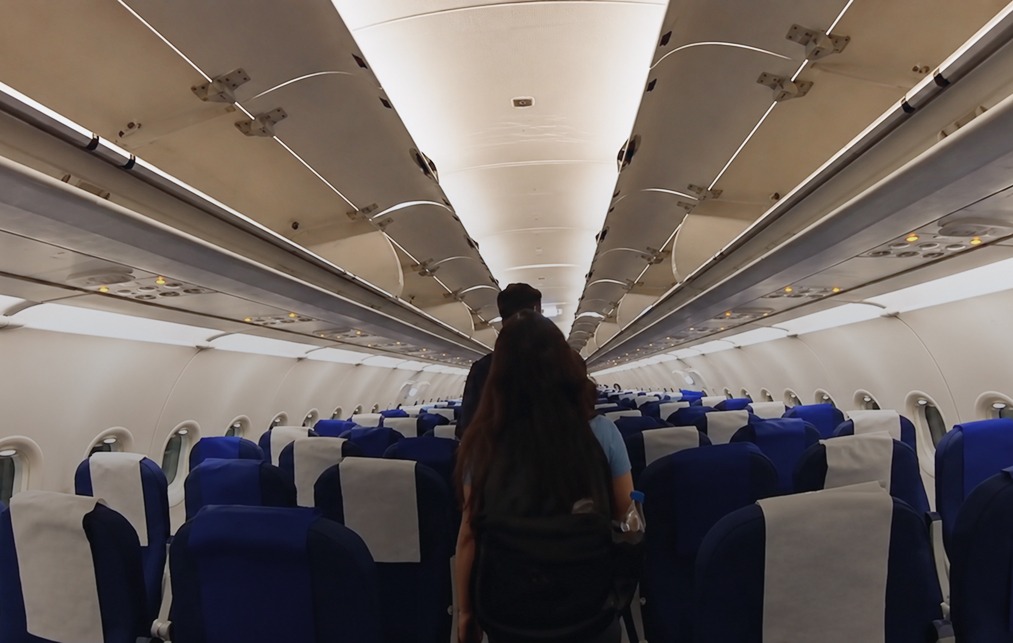
My journey to Pench started in Mumbai with an early morning flight to Nagpur. I reached Dr. Babasaheb Ambedkar International Airport at around 11:30 am. After collecting my luggage, I came out of the airport and found my pre-booked cab waiting for me. Since the cab was already arranged, I did not have to look for transport after landing. I placed my luggage in the car and started my road journey towards Pench National Park.
Pench National Park Madhya Pradesh is around 90 to 100 km from Nagpur, and the drive usually takes about 2.5 to 3 hours. In the beginning, we travelled mainly on the highway, including sections of NH44.
As we moved away from Nagpur, I could see a clear change in the surroundings. The city had more buildings and traffic, but the areas ahead were much quieter. Small villages, green fields, and large open areas appeared along the way. Further ahead, I started seeing more trees and forested areas.
All my travel arrangements had been completed before the trip, so I did not need to worry about transport or other arrangements during the drive. I could simply sit comfortably in the cab and enjoy the changing surroundings. After nearly three hours on the road, I reached the Pench region and finally arrived at Jamtara Wilderness Camp.
First Lunch And Check-In At Jamtara
The first thing I noticed after reaching Jamtara Wilderness Camp was how quiet the property was. Large trees surrounded the camp, and the accommodation was in canvas tents instead of normal hotel rooms. There was very little noise compared with a regular hotel.
The staff welcomed me with a chilled drink after the road journey. The check-in was quick and simple. Instead of spending a lot of time at a reception desk, I was shown around the camp. The staff also explained how the property was arranged and what I could expect during my stay.
I then entered my canvas tent. It was spacious, clean, and comfortable, with a simple design that suited the forest location. There was no television, and mobile connectivity was limited. At first, this felt different because I am used to using my phone, watching television, or staying connected during hotel stays. At Jamtara, these things were naturally limited.
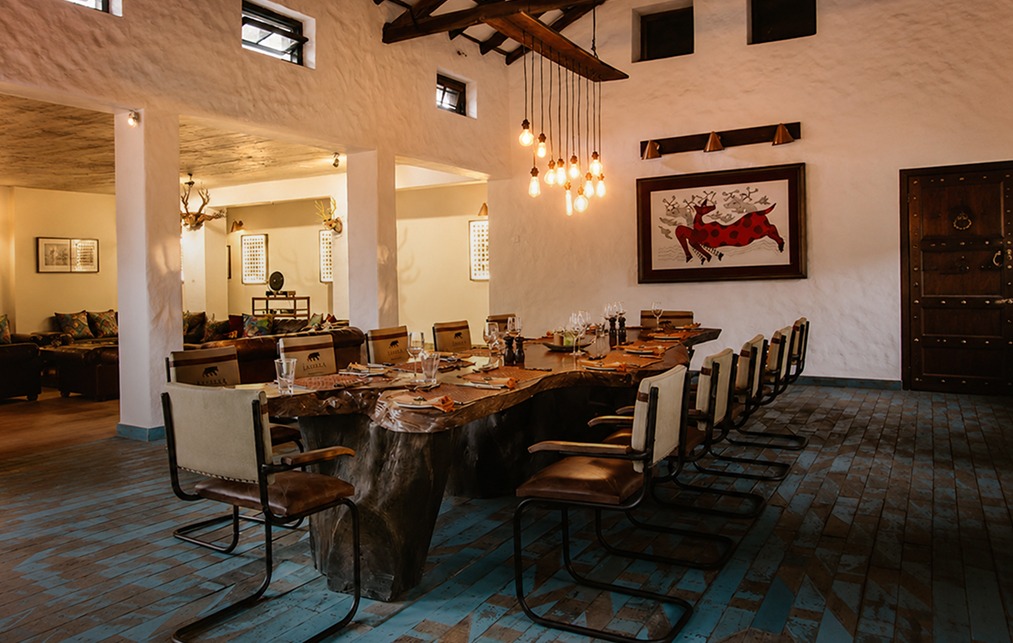
After keeping my luggage in the tent, I went for lunch. The meal was simple and filling. I had a lentil preparation, seasonal vegetables, and soft phulkas, followed by a dessert. After travelling from Mumbai to Nagpur and then driving to Pench, I was ready for a proper meal. The food was fresh, comforting, and not too heavy.
After lunch, I had some time to rest and get ready for the evening safari. I changed, collected my things, and prepared for my first forest safari in Pench.
The Alarm Calls That Changed My Safari
Following the Alarm Calls in the Forest
My evening Gypsy safari started from the Jamtara Gate. I boarded the open Gypsy with a naturalist-guide and a forest driver. Before entering the forest, the guide explained that wildlife sightings could not be guaranteed. He asked us to stay patient and pay attention to sounds, movement, and signs around us.
The weather was pleasant. Sunlight came through the teak trees, while some parts of the forest opened into grasslands. The Gypsy moved slowly along the forest tracks.
For the first 30 minutes, there was very little animal activity. We passed through teak forest and open areas while listening to the sounds around us. Because the forest was quiet, we could clearly hear dry leaves under the tires.
Then things changed.
A Chital suddenly gave a strong alarm call from one side of the forest. Soon after, a Langur also started giving a warning call from the trees. The guide became more alert. He asked the driver to stop the Gypsy and switch off the engine.
The vehicle became completely silent.
Everyone looked towards the grass and bushes. The guide explained that these alarm calls could mean that a predator was moving somewhere nearby. We waited and watched carefully. Even a small movement in the grass made us look in that direction.
The calls continued for some time, but the animal we hoped to see did not come out. We could not confirm the tiger’s presence.
Leopard and Other Wildlife Sightings
Even without seeing the tiger, this was an interesting part of the safari. Everyone stayed focused on the forest and tried to understand what was happening. It reminded me that a wildlife safari is not like visiting a zoo. Animals move when they want to and can stay hidden even when there are signs that they are nearby.
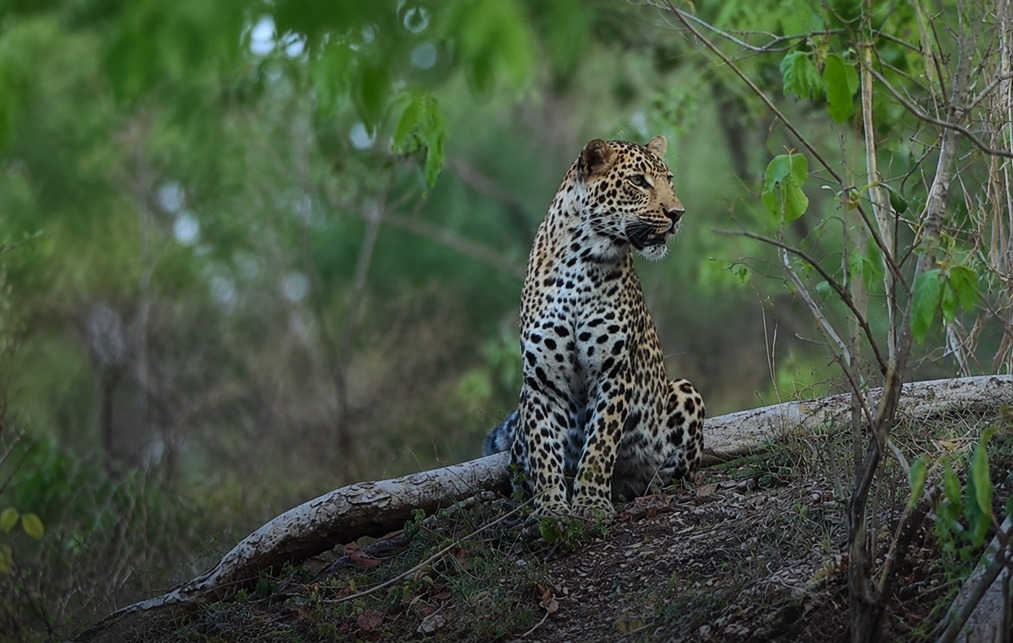
I did not see a tiger during this safari. However, the drive continued, and we had several good sightings. Later, we saw an Indian leopard moving near a rocky area in the distance. It was not a close sighting, but seeing the leopard after the earlier alarm calls made the moment more exciting.
We also saw groups of Sambar deer and some wild boars near a water hole. There were several bird sightings too. We saw a Crested Serpent Eagle and a pair of Grey Hornbills.
For me, the leopard was the main highlight. I had spent several minutes waiting to understand what had caused the alarm calls. Although the tiger did not appear, seeing a leopard made the wait worthwhile.
As the safari ended, the light became softer. I returned to the camp with several wildlife sightings and one clear lesson: a safari can still be interesting even when the most famous animal is not seen.
What I Did After The Safari
I reached Jamtara around dusk. After returning to the camp, I was offered a drink before joining a short guided nature walk around the property.
The walk was different from the safari because it was not focused on finding large animals. Instead, the guide explained the smaller details around the camp and forest area.
He showed us local plants and explained some of the vegetation found there. I also learned about ghost trees, known as Sterculia urens, which have pale bark. We also looked at signs and tracks that could show animal movement in the area.
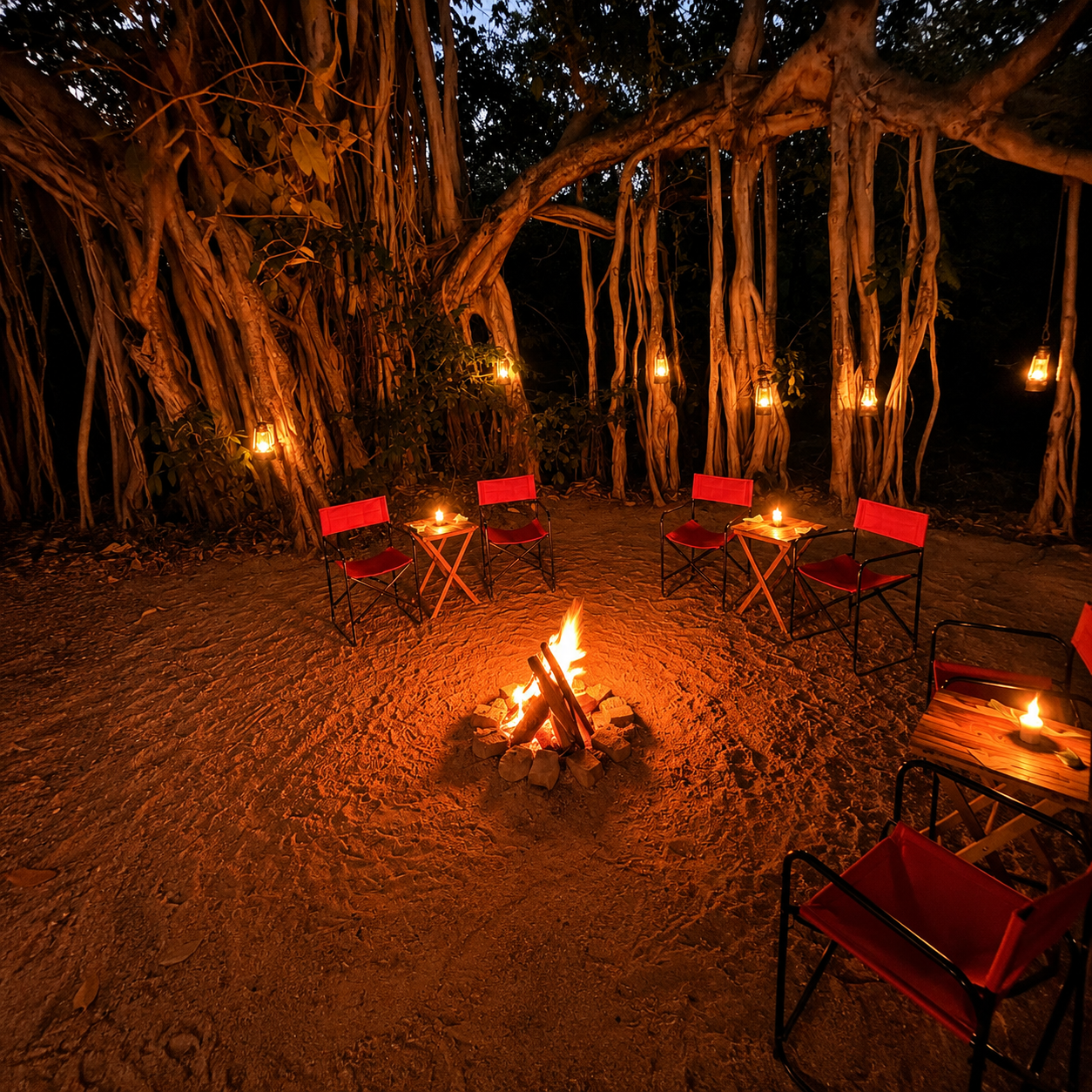
After the walk, I returned to the main camp area. A bonfire had been arranged, and I spent some time sitting there with other travellers and naturalists.
People talked about their safari experiences and the animals they had seen. It was a comfortable way to spend the evening after several hours outdoors. There was no need for a fixed entertainment programme. The conversations, the fire and the quiet surroundings were enough.
My Dinner And Night At The Camp
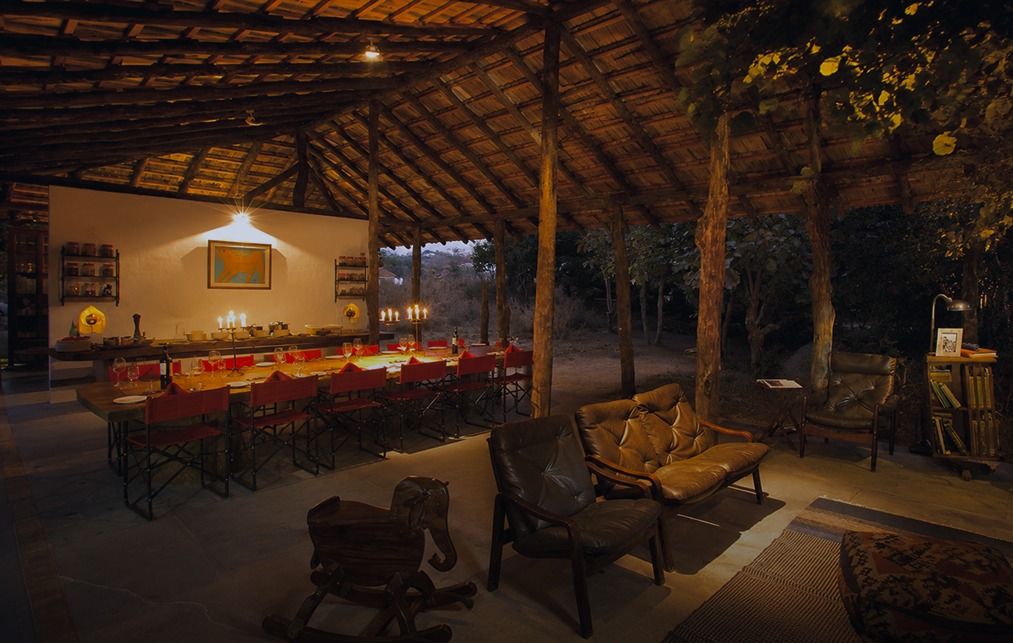
As it became dark, the camp was lit with lanterns, and the dining area was prepared for dinner. I had dinner outdoors, surrounded by the tents and trees.
The meal included regional dishes and slow-cooked food. After the simple lunch earlier in the day, dinner felt more relaxed. Eating outside also made the experience different from having dinner inside a regular city hotel restaurant.
The camp became very quiet as the night continued. There were no television sounds from nearby rooms and very little traffic noise. I could clearly see the night sky above the camp.
After dinner, I returned to my tent. The stay felt very different from a normal hotel night in Mumbai. There was no television to watch, and mobile connectivity was limited, so there was less reason to keep checking my phone. The tent was comfortable, but the stay still felt closely connected to the natural surroundings of Pench.
I went to sleep early because the next morning was going to begin before sunrise.
5:30 AM Start And Return To Nagpur
I was awakened at 5:30 in the morning the next day. The camp area remained very peaceful, and the environment during the early morning hours felt quite different from that of the evening before. I began the day with a steaming mug of masala chai and some cookies. I spent a few minutes observing the environment before I prepared myself for breakfast.
After breakfast, I prepared my bags and left Jamtara Wilderness Camp. The staff members had been helpful to me right from the start of my visit, so I bade them farewell before heading towards Nagpur.
My journey back to Nagpur offered me another opportunity to view the surroundings of Pench. From dense forests and buffer zones, the surroundings gradually opened up into green areas, village areas, and further developed areas as we got closer to the city of Nagpur. After spending time amidst trees, green fields, and wild creatures, one could easily spot the difference upon coming back to the city.
My trip may not have been a long one, but it was filled with many different experiences in just a matter of hours. I stayed at a nice resort, had some good food, went for an evening Gypsy Safari, saw a leopard and many other creatures, and even had a peaceful night away from the city.
Although there was no sighting of a tiger, the safari was well worth the effort. From the warning calls to the wait and the sightings of the leopard as well as other animals, it was an unforgettable experience. Pench National Park offered me everything that I was looking for as a weekend getaway from Mumbai.
You might also like…


Leave a Reply